
The age-old adage “dress for success” holds a profound, scientifically-supported truth: our clothing choices directly impact our psychological state, a phenomenon researchers term ‘enclothed cognition.’ This concept suggests that the symbolic meaning of our clothes and the physical experience of wearing them can significantly alter our cognitive processes, emotions, and behaviors. Understanding this powerful interplay allows us to strategically use our wardrobe as a tool for self-regulation and empowerment.
The influence begins with the simple act of formality. Studies indicate that wearing more formal attire than a situation requires can enhance abstract thinking and promote a broader, more big-picture perspective. It can also increase feelings of power and confidence, altering our posture and demeanor. Conversely, softer, more casual clothing can cue relaxation and creativity, making it easier to engage in brainstorming or feel at ease in social settings. The clothes signal a role to our brain, which then steps up to perform it.
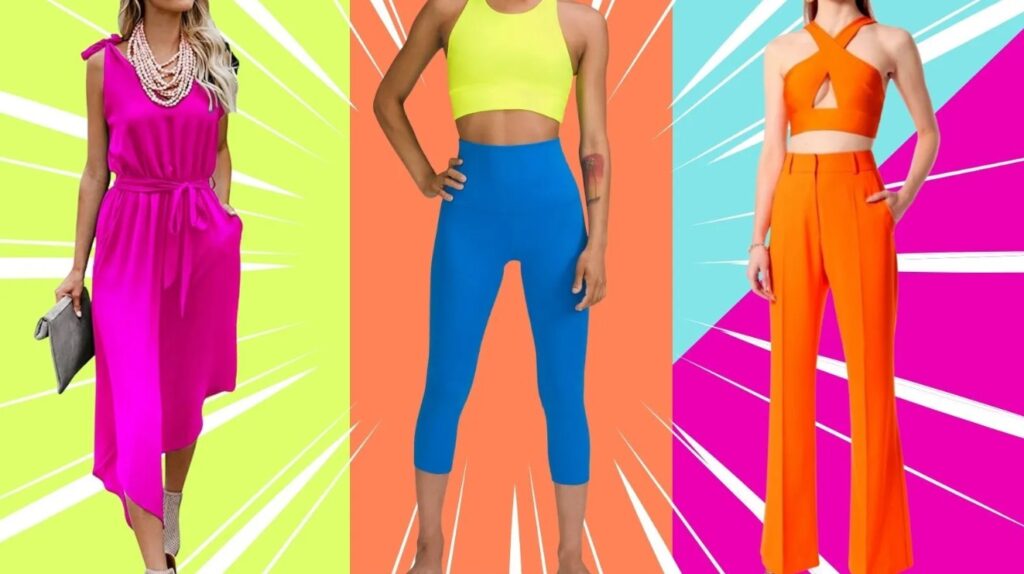
Color psychology plays a pivotal role in this sartorial dialogue. Different hues can evoke specific emotional and physiological responses. For instance, blue is often associated with calm, stability, and enhanced focus, making it an excellent choice for tasks requiring concentration. Red has been linked to increased alertness and a sense of dominance. Wearing colors that align with your desired mental state for the day is a simple yet effective way to subconsciously steer your mood and perceived authority.
Beyond symbolism, the tactile experience of clothing is crucial. The sensation of soft, comfortable fabric against the skin can lower cortisol levels and reduce anxiety, fostering a sense of security. Conversely, the structured feel of a tailored blazer or the weight of a substantial necklace can create a sense of ‘armor’ or preparedness, mentally bracing us for challenging negotiations or important presentations. Comfort, in this sense, is not just physical but psychological, directly linked to our ability to perform.
We can leverage this knowledge through a practice of ‘intentional dressing.’ This involves choosing an outfit not just for external appropriateness, but for its internal, psychological utility. Before getting dressed, ask: What mental qualities do I need today? Do I need confidence for a pitch, creativity for a project, or calm for a hectic schedule? Select your pieces—from color to cut to fabric—to embody and cultivate those specific traits, transforming your wardrobe into a toolkit for well-being.
Ultimately, recognizing the psychology of dressing empowers us to reclaim agency over our daily experiences. It moves fashion from a superficial concern to a form of self-care and cognitive strategy. By making mindful choices each morning, we can consciously construct the psychological armor, creative catalyst, or serene sanctuary we need. Our outfit becomes more than an aesthetic statement; it is a deliberate first step in shaping the narrative of our day, influencing not just how we are perceived, but more importantly, how we perceive and perform for ourselves.